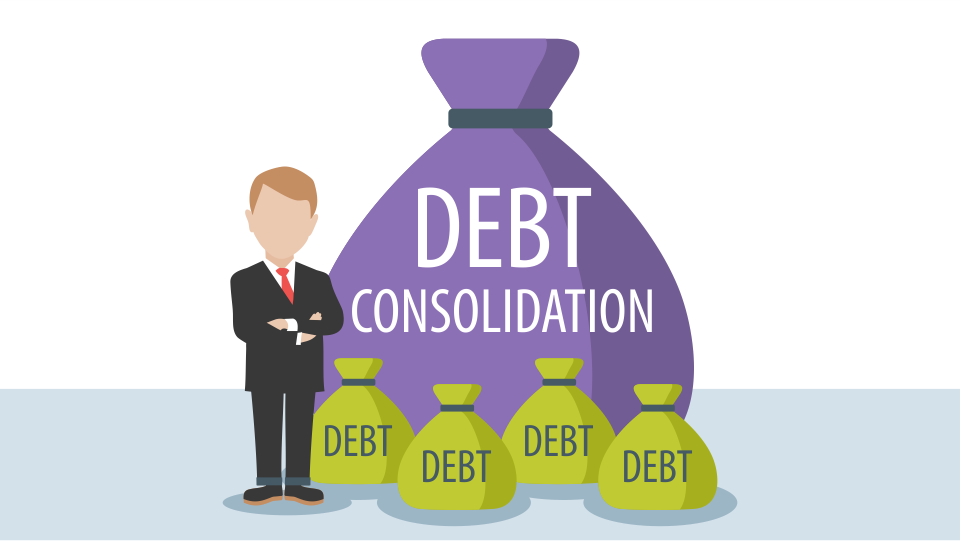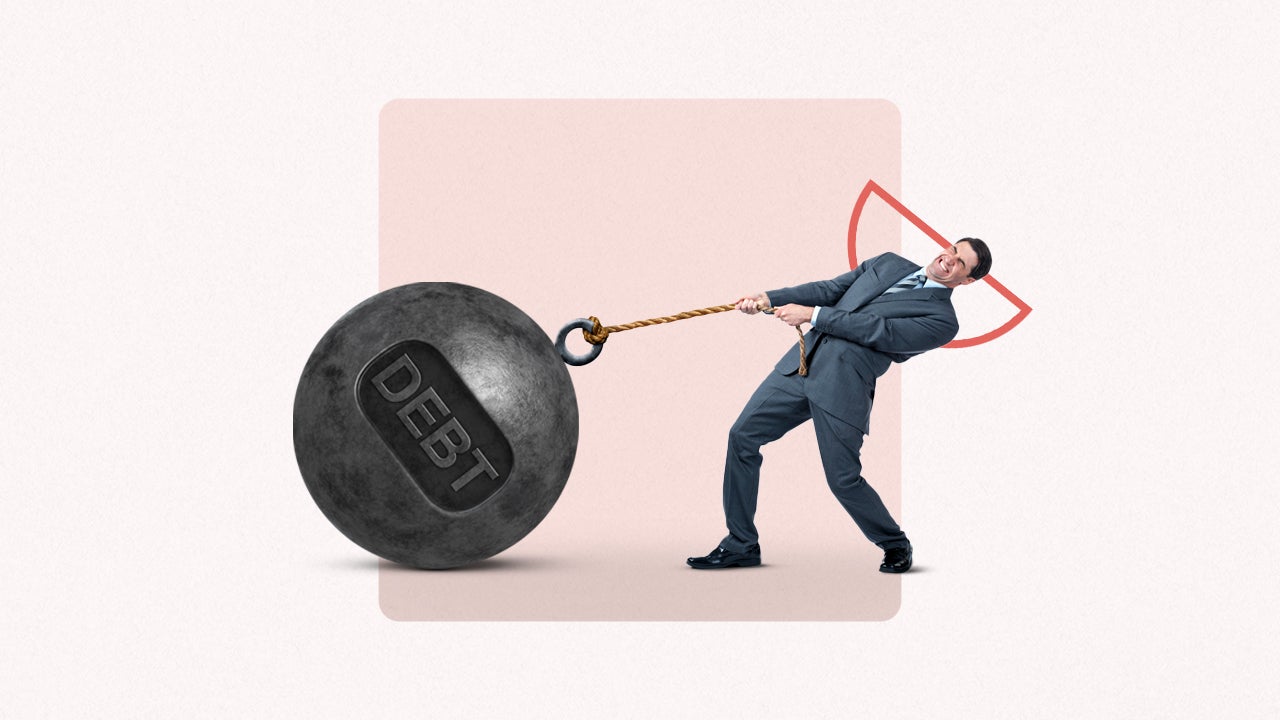





Debt can feel overwhelming, especially when you have multiple loans and credit card balances to manage. If you’re struggling to keep up with various payments and want to simplify your financial life, a debt consolidation loan might be the solution you’re looking for. But when is the right time to consider a debt consolidation loan? Let’s explore the key factors to help you decide.
What is a Debt Consolidation Loan?
A debt consolidation loan allows you to combine multiple debts into a single loan with one monthly payment. This can make managing your finances easier and potentially save you money on interest. These loans can be a valuable tool for regaining control of your financial situation, but they’re not suitable for everyone.
Signs You Should Consider a Debt Consolidation Loan
1. High-Interest Rates
If you’re paying high interest rates on credit card balances or other loans, consolidating your debt can help you secure a lower interest rate. This can save you money and make your monthly payments more manageable.
2. Difficulty Managing Multiple Payments
Juggling multiple payments with different due dates can be stressful and increase the risk of missing a payment. A debt consolidation loan simplifies your finances by combining all your debts into one monthly payment, reducing the chances of late fees and improving your financial organization.
3. Struggling to Make Minimum Payments
If make minimum payments on your debts, it can take years to pay off the balance, and you’ll end up paying a lot in interest. A debt consolidation loan can provide a structured repayment plan, helping you pay off your debt faster.
4. Need to Improve Credit Score
Consolidating your debt can help improve your credit score by reducing your credit utilization ratio and making it easier to manage your payments. Consistent, on-time payments on a debt consolidation loan can positively impact your credit score.
When to Avoid a Debt Consolidation Loan
1. Poor Spending Habits
If your debt is the result of poor spending habits, a debt consolidation loan may not be the best solution. It’s important to address the underlying issues that led to your debt to avoid falling back into the same pattern.
2. High Fees and Costs
Some debt consolidation loans come with high fees, such as origination fees, prepayment penalties, or high interest rates. Be sure to carefully evaluate the terms and costs of the loan before committing.
3. Risk of Losing Assets
Some debt consolidation loans require collateral, such as your home or car. If you’re unable to make payments, you risk losing these assets. Consider whether you can manage the loan without putting your property at risk.
Tips for Choosing a Debt Consolidation Loan
| Consideration | Description |
|---|---|
| Compare Interest Rates | Shop around and compare interest rates from different lenders to ensure you’re getting the best deal. |
| Check Fees and Costs | Be aware of any fees associated with the loan, such as origination fees or prepayment penalties. |
| Evaluate Repayment Terms | Choose a loan with repayment terms that fit your budget and financial goals. |
| Read Reviews and Ratings | Research lenders’ reputations and read reviews from other borrowers to ensure you’re making a good choice. |
Conclusion
A debt consolidation loan can be an effective tool for managing your finances and reducing stress. By consolidating your debts into one manageable payment, you can potentially save money on interest and simplify your financial life. However, it’s essential to carefully consider your financial situation and the terms of the loan before making a decision. With the right approach, a debt consolidation loan can help you regain control of your finances and move toward a debt-free future.