




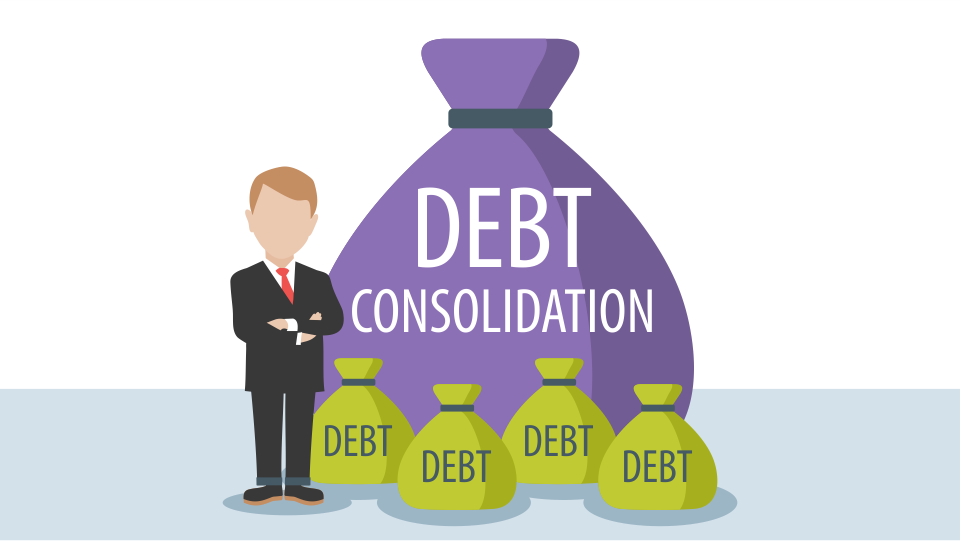
Is Debt Consolidation the Right Option for You?
Managing debt can feel overwhelming, especially when juggling multiple payments with varying interest rates. Debt consolidation might be a solution that simplifies your financial life. But is it the right choice for you? Let’s explore what debt consolidation entails, its benefits, and who it’s best suited for.
Is Debt Consolidation Right for You?
Debt consolidation is not a one-size-fits-all solution. It’s important to evaluate your financial situation before making a decision. Here are some factors to consider:
- Your Debt Amount: If your debt is manageable and not excessive, consolidation might help you pay it off faster.
- Interest Rates: Consolidation works best when the new loan’s interest rate is lower than your existing rates.
- Credit Score: A good credit score increases your chances of qualifying for low-interest loans or credit card offers.
- Spending Habits: If you continue to overspend after consolidating, you may end up deeper in debt.
- Loan Terms: Ensure you understand the repayment terms and total cost of the consolidation loan.
Who Should Avoid Debt Consolidation?
Debt consolidation may not be the best solution if:
- You have a small amount of debt that can be paid off quickly.
- The consolidation loan has a higher interest rate than your current debts.
- You struggle with underlying spending habits that lead to accumulating debt.
- You’re at risk of losing assets, such as your home, if you can’t repay a secured loan.
Alternatives to Debt Consolidation
If debt consolidation doesn’t seem right for you, consider these alternatives:
- Snowball or Avalanche Method: Pay off debts in order of smallest to largest balance (snowball) or highest to lowest interest rate (avalanche).
- Credit Counseling: Seek professional advice to create a manageable repayment plan.
- Debt Settlement: Negotiate with creditors to settle your debt for less than the full amount.
- Bankruptcy: As a last resort, consider filing for bankruptcy to discharge your debts, but be aware of the long-term consequences.
Final Thoughts
Debt consolidation can be an effective tool for regaining control over your finances, but it’s not a magic fix. Take the time to assess your financial situation, understand the options available, and create a plan that aligns with your long-term goals. If you’re unsure, consulting a financial advisor or credit counselor can help you make an informed decision.
Remember, the key to financial freedom lies not just in consolidating debt but in addressing the habits and circumstances that led to it. With a clear plan and disciplined approach, you can take charge of your financial future.