




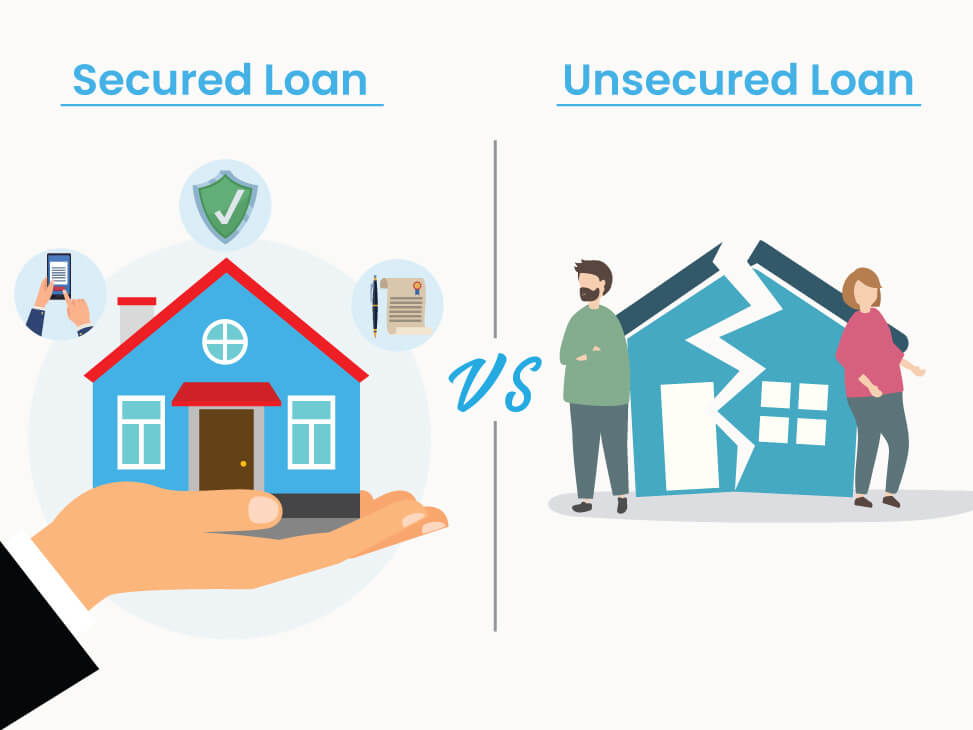
When exploring loan options, it’s essential to understand the difference between secured and unsecured loans. These two types of loans cater to varying financial needs and come with distinct terms and requirements. Let’s break down the key differences to help you decide which option suits your situation best.
What is a Secured Loan?
A secured loan is backed by collateral, meaning you pledge an asset—such as your home, car, or savings—to secure the loan. If you fail to repay, the lender has the right to seize the asset to recover their money.
Common Types of Secured Loans:
- Mortgage: Your home serves as collateral.
- Auto Loan: The vehicle you’re purchasing secures the loan.
- Home Equity Loan: Your property’s equity is used as security.
Pros of Secured Loans:
- Lower Interest Rates: Lenders face less risk since the loan is backed by collateral.
- Higher Borrowing Limits: You can typically borrow larger amounts compared to unsecured loans.
- Longer Repayment Terms: These loans often come with extended periods for repayment.
Cons of Secured Loans:
- Risk of Losing Collateral: Non-payment can lead to losing your pledged asset.
- Lengthy Approval Process: Valuing and verifying collateral may take time.
What is an Unsecured Loan?
An unsecured loan does not require collateral. Instead, approval is based on your creditworthiness, income, and financial history. Since there’s no asset tied to the loan, lenders take on a greater risk.
Common Types of Unsecured Loans:
- Personal Loans: For various purposes, such as debt consolidation or home improvement.
- Credit Cards: A revolving line of credit without requiring collateral.
- Student Loans: Often unsecured, based on your credit or a co-signer’s credit.
Pros of Unsecured Loans:
- No Collateral Needed: No risk of losing property if you default.
- Faster Approval: Less documentation speeds up the process.
- Flexible Usage: These loans can be used for diverse financial needs.
Cons of Unsecured Loans:
- Higher Interest Rates: Lenders compensate for risk with higher rates.
- Lower Loan Amounts: Borrowing limits are generally smaller.
- Credit-Dependent Approval: A strong credit score is essential for favorable terms.
Key Differences Between Secured and Unsecured Loans
| Feature | Secured Loans | Unsecured Loans |
|---|---|---|
| Collateral | Required | Not required |
| Risk to Borrower | Risk of losing asset | No asset at risk |
| Interest Rates | Typically lower | Typically higher |
| Loan Amounts | Generally higher | Generally lower |
| Approval Speed | Slower (collateral verification) | Faster (fewer requirements) |
Which Loan is Right for You?
Your choice between a secured and unsecured loan depends on several factors:
- Financial Situation: If you have valuable assets, a secured loan might be the better option for lower interest rates.
- Urgency: If you need quick funding, unsecured loans can be faster to obtain.
- Risk Tolerance: Consider whether you’re comfortable putting assets on the line.
- Credit Score: Strong credit can help you secure favorable terms for either type.
Final Thoughts
Secured and unsecured loans each have their benefits and drawbacks. By evaluating your financial needs, credit history, and risk appetite, you can make an informed decision. Whether you’re financing a major purchase or consolidating debt, understanding these loan types will empower you to choose the best path toward your financial goals.