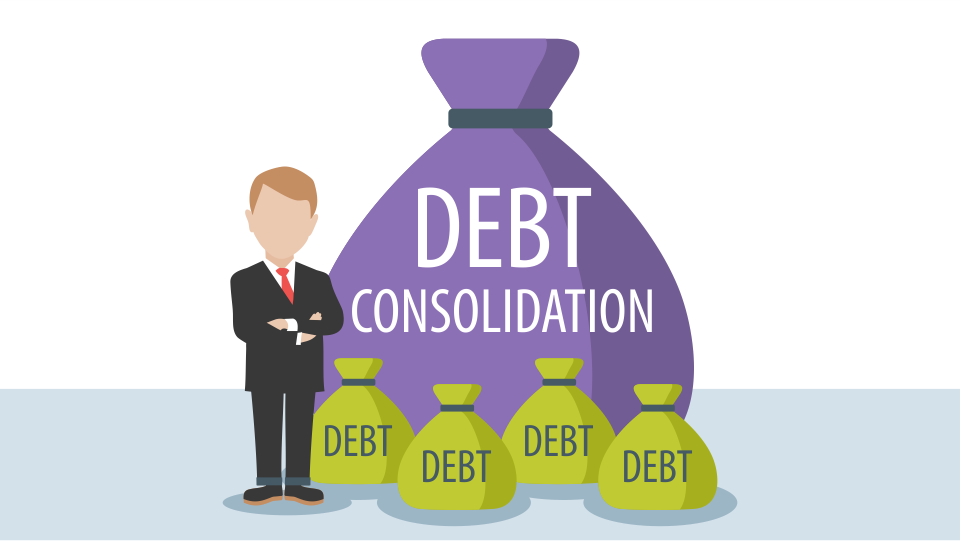





Debt consolidation is a financial strategy designed to help individuals manage multiple debts more effectively. It involves combining several outstanding balances into one single loan or payment, typically with a lower interest rate and a more manageable monthly installment. This approach not only simplifies your finances but also saves money on interest over time.
If you’re feeling overwhelmed by juggling credit card payments, personal loans, or other high-interest debts, debt consolidation might be the solution you need to regain control of your finances. Let’s break down how it works and how you can benefit from it.
How Does Debt Consolidation Work?
- Evaluate Your Debts
Start by assessing all your existing debts. Include credit card balances, personal loans, medical bills, or any other financial obligations. Note the interest rates, minimum monthly payments, and due dates. - Choose a Consolidation Method
There are a few common ways to consolidate debt:- Debt Consolidation Loan: Take out a personal loan to pay off all your debts, leaving you with one fixed monthly payment at a lower interest rate.
- Balance Transfer Credit Card: Transfer multiple credit card balances to a single card offering a 0% introductory APR for a set period.
- Home Equity Loan or HELOC: Use the equity in your home to consolidate debt.
- Debt Management Plan (DMP): Work with a credit counseling agency to create a repayment plan with your creditors.
- Apply for Consolidation
Once you’ve chosen the method, apply for a loan, balance transfer, or other consolidation tool. The lender will review your credit score, income, and financial history to determine your eligibility. - Use Funds to Pay Off Debts
Once approved, use the loan or balance transfer to pay off your existing debts. This eliminates the need to manage multiple payments and high-interest rates. - Make a Single Payment
After consolidation, you’ll only have one monthly payment to manage, making it easier to stay on top of your financial obligations.
A Practical Example of Debt Consolidation
Meet Sarah: Sarah is a working professional with $10,000 in credit card debt spread across three cards, each with an interest rate of 20-25%. She struggles to make her minimum payments and is falling behind.
The Solution: Sarah applies for a debt consolidation loan of $10,000 at an interest rate of 10% over three years. She uses the loan to pay off her credit cards in full.
The Result:
- Her monthly payment becomes a single fixed amount.
- She saves thousands of dollars in interest over time.
- Her stress reduces because she no longer has to juggle multiple payments.
Benefits of Debt Consolidation
- Simplified Finances: Combine all debts into one easy-to-manage payment.
- Lower Interest Rates: Save money with a lower rate compared to credit card or payday loan rates.
- Improved Credit Score: Timely payments on the consolidated loan can improve your credit over time.
- Predictable Payments: Fixed monthly installments make budgeting easier.
When to Consider Debt Consolidation
Debt consolidation might be the right solution if:
- You’re struggling with multiple high-interest debts.
- Your credit score qualifies you for a lower-interest loan or balance transfer.
- You want to simplify your finances and reduce stress.
- You have the discipline to avoid accumulating more debt while paying off the consolidation loan.
Final Thoughts
Debt consolidation is a smart financial strategy for individuals who want to simplify their payments and reduce the cost of high-interest debt. By choosing the right consolidation method and staying committed to repayment, you can take control of your financial future and work toward becoming debt-free.
However, before proceeding, consider consulting a financial advisor to ensure that debt consolidation aligns with your overall financial goals.