






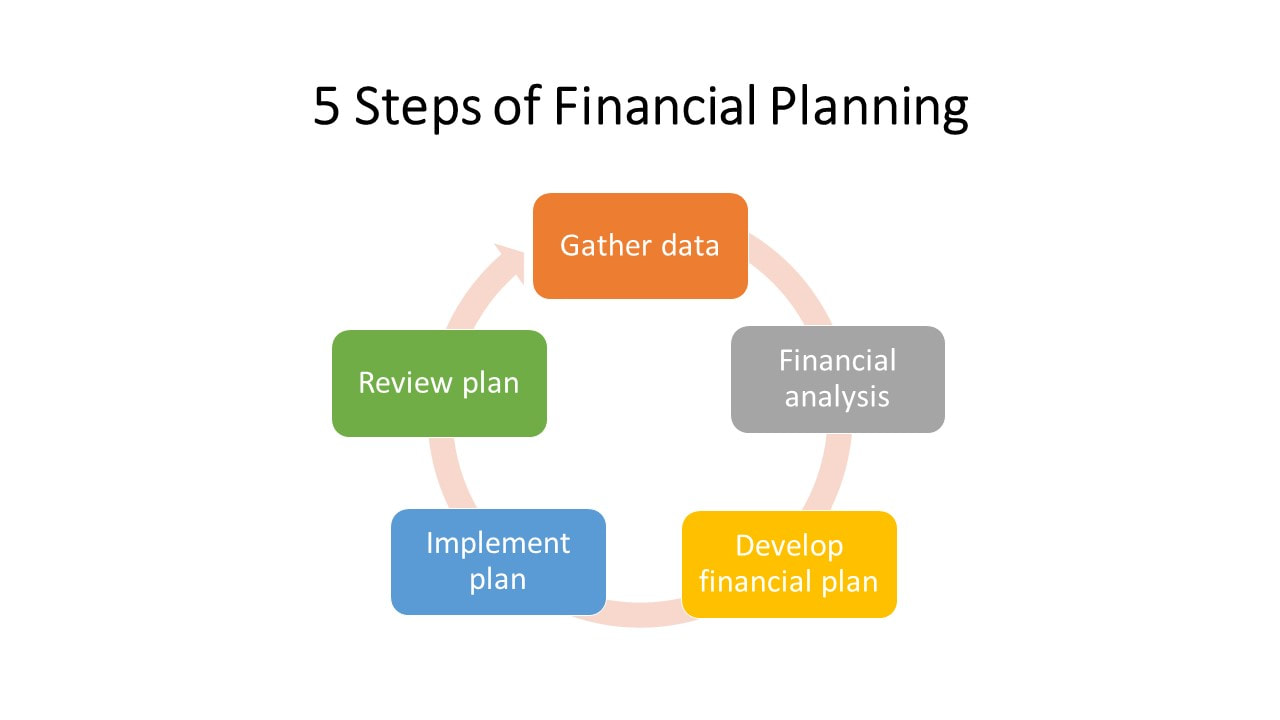
Applying for a loan can be a significant financial decision, whether you’re borrowing for a home, car, or consolidating debt. To ensure you’re financially prepared and set yourself up for approval, taking a few proactive steps can make all the difference. Here’s a guide to help you plan effectively before applying for a loan:
1. Assess Your Financial Health
Before taking on new debt, review your current financial situation.
- Evaluate Your Income: Ensure your income is sufficient to manage the monthly loan repayments.
- Check Your Expenses: Identify any non-essential expenses you can cut to improve your repayment capacity.
- Emergency Fund: Make sure you have savings set aside for unexpected expenses.
Example: If you’re already spending 40% of your income on existing debts, taking on a new loan might strain your budget. Adjust your finances accordingly.
2. Check and Improve Your Credit Score
Your credit score is critical in loan approval and the interest rate you’ll receive.
- Review Your Credit Report: Obtain a copy of your credit report and check for errors or outstanding debts.
- Pay Off Small Debts: Clear small outstanding balances to boost your score.
- Avoid New Credit Applications: Too many applications can lower your score temporarily.
Example: A credit score above 700 can help you secure a loan with better interest rates.
3. Determine the Loan Amount You Need
Borrowing more than necessary is tempting, but this can lead to higher repayments and interest costs.
- Calculate Your Needs: Whether you’re planning a home renovation or consolidating debt, list all costs and borrow only what’s required.
- Plan for Contingencies: Add a small buffer for unexpected expenses but avoid over-borrowing.
Example: If your renovation project costs $10,000, don’t borrow $15,000 just for convenience—it will increase your repayment burden.
4. Compare Lenders and Loan Offers
Not all loans are created equal; different lenders may offer varying interest rates and terms.
- Research Lenders: Look for reputable lenders with transparent terms.
- Compare Rates: Use online tools to compare interest rates, fees, and repayment terms.
- Understand Fees: Be aware of processing fees, prepayment penalties, or other hidden charges.
Example: Choosing a lender with a 9% interest rate over one with 12% can save you hundreds or even thousands over the life of the loan.
5. Create a Repayment Plan
Before signing the loan agreement, have a clear plan to repay it.
- Set a Budget: Allocate a portion of your income for monthly repayments.
- Use a Loan Calculator: Determine your monthly EMIs (Equated Monthly Installments) to see if they fit your budget.
- Consider Prepayment: Check if your lender allows early repayments without penalties to save on interest.
Example: If your monthly income is $3,000, aim to keep your total debt payments (including the new loan) below 40% of your income, or $1,200.
Conclusion
Applying for a loan is not just about filling out paperwork—it’s about ensuring you’re financially ready and making informed decisions. By following these five financial planning steps, you can improve your chances of approval, secure better terms, and manage your loan responsibly. Remember, loans can be powerful financial tools when used wisely.
Take control of your finances and make your loan journey a smooth one!